
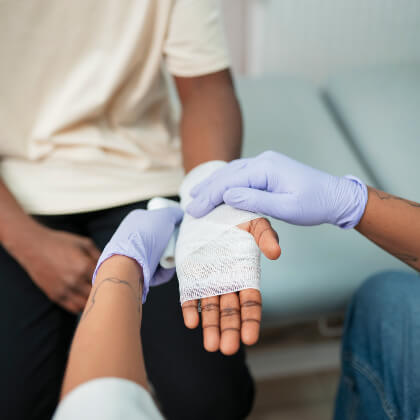
Radiotherapy is one of the most widely used cancer treatments in South Africa, and for many people it does exactly what it needs to do. In some cases, though, changes in the surrounding healthy tissue only appear months or even years after the final session, which leaves people looking for clear information about their options.
In this article, we look at what late radiation tissue injury is, how conventional hyperbaric oxygen therapy works in a hospital setting, what published research has explored and how lower-pressure wellness sessions differ from clinical care.
What Is Late Radiation Tissue Injury?
Radiotherapy is aimed at cancer cells, but the beam also passes through nearby healthy tissue. Over time, the small blood vessels in that area can narrow and thicken, which reduces the amount of blood and oxygen reaching the tissue they supply.
Dr Robert Marx, an oral and maxillofacial surgeon who studied these changes in the 1980s, described the affected tissue as hypoxic, hypovascular and hypocellular. In plain terms, it has less oxygen, fewer blood vessels and fewer healthy cells than it should.
Because these changes build slowly, they are often called late or delayed effects. The areas researchers have studied most include the jawbone after head and neck radiotherapy, as well as the bladder and lower bowel after pelvic radiotherapy.
How Conventional Clinical HBOT Works
In a hospital hyperbaric unit, a person breathes close to 100% oxygen while the chamber is pressurised to around 2.0 to 2.4 atmospheres absolute (ATA). At these pressures, far more oxygen dissolves directly into the blood plasma than is possible when breathing normal air at sea level.
Researchers believe this sharp rise in oxygen creates a strong gradient between well-oxygenated tissue and the affected area. That gradient appears to encourage angiogenesis, which is the growth of new small blood vessels, and may gradually improve blood supply to tissue that has been short of oxygen.
Clinical courses are planned by hyperbaric physicians together with a person’s oncology team. A typical protocol for HBOT for radiation tissue injury involves 30 to 40 sessions, usually given on weekdays and lasting around 90 to 120 minutes each.
What the Research Has Explored
Interest in hyperbaric oxygen for radiation injury goes back several decades. The Undersea and Hyperbaric Medical Society lists delayed radiation injury among its recognised indications for clinical HBOT, and many hospital units around the world offer it as part of a wider care plan.
A 2016 Cochrane review pooled randomised trials of conventional HBOT and found evidence of improved outcomes for late radiation tissue injury affecting the head and neck and the lower bowel. The reviewers also recommended further high-quality trials to clarify which people are most likely to benefit.
In 2019, the RICH-ART trial published in The Lancet Oncology studied adults with bladder symptoms following pelvic radiotherapy. Participants who received 30 to 40 hospital sessions at 2.0 to 2.4 ATA while breathing 100% oxygen reported greater improvement in urinary symptoms than those who received standard care alone.
Clinical HBOT and Lower-Pressure Sessions
Every study mentioned above used hospital chambers at 2.0 ATA or higher with 100% oxygen and medical supervision. Lower-pressure wellness chambers typically operate between about 1.1 and 1.4 ATA with concentrated oxygen delivered through a mask, so the pressure, oxygen dose and intended use are all different.
For this reason, findings on oxygen therapy after radiation damage should be read according to the protocol that was actually studied. Anyone living with the late effects of radiotherapy is best guided by their oncologist, who can advise whether a referral to a hospital hyperbaric unit is appropriate.
Lower-pressure sessions sit in a different space. Many people explore them as a calm and comfortable part of a broader wellness and recovery routine, alongside the care plan from their medical team. As with any wellness practice, individual experiences differ.
In Conclusion
Late radiation tissue injury develops when radiotherapy gradually reduces blood supply and oxygen to healthy tissue. Conventional clinical HBOT at higher pressures has been studied for this purpose for decades, with research reporting improved outcomes in specific groups. Lower-pressure wellness sessions use different pressures and oxygen delivery, so they serve a separate purpose.
If you are curious whether a Solid O₂ MedHBOT wellness session may suit your goals, book a consultation through our website to learn how our sessions work and discuss the appropriate next step. MedHBOT is our term for a controlled, pressurised environment in which you breathe concentrated oxygen through a mask, and it differs from clinical HBOT in pressure, oxygen delivery and intended use. If you would like a supported chamber for your home or business, request a free quote and our team will take you through installation, operator training and local maintenance.